
Cube of spheres, the studio mark

12 years building custom software

The first version of your SaaS, with billing in it from day one

SaaS development services for a product sold to many customers: sign-up, a workspace each customer sees alone, payment through your provider, and the journey they pay for. Ten weeks, tests in the price.

See our work
SaaS Development//SaaS Development//SaaS Development//SaaS Development//SaaS Development//SaaS Development//SaaS Development//SaaS Development//SaaS Development//SaaS Development//SaaS Development//SaaS Development//SaaS Development//SaaS Development//
Sound familiar

Where a SaaS idea usually gets stuck

  • “We invoice our first three customers by hand, and renewals live in a calendar.”

    Right for the start: the first forgotten renewal is revenue nobody sees leave.

  • “The prototype works for one customer. The second needs its own login, its own data and a different plan.”

    That is when a tool becomes a product, and who sees what lives in the data.

  • “We were quoted for billing as one line, and nobody could say what happens when a card fails.”

    Billing is not the checkout page. It is the failed renewal, the downgrade and the refund — the part a demo never shows.

The first version

SaaS development services: one journey customers pay for, in ten weeks

from $20,000
Paid by stage, and no stage grows unless the scope changes — a change is quoted before the work starts. Above a first web version: workspaces and billing sit on top of the journey.
Ten weeks
From the first call to a product a customer can sign up to and pay for. You can stop after any stage.

What you get

  • The one journey your customers pay for, end to end
  • Sign-up and a workspace per customer, with tests proving nobody sees another’s data
  • Plans and payment through your provider
  • An admin side for you: who pays, who is stuck
  • Automated tests over billing and isolation on every push — in the price
  • Repository, servers and payment account in your name from day one
  • Six months after handover: any defect in what we built fixed at our cost

What is not included

  • Every plan, add-on and integration of year two
  • A mobile app — the next stage, quoted separately
  • Single sign-on, audit logs and enterprise paperwork
  • Holding card data — the payment provider does that
  • Marketing copy, SEO and finding your first customers
173
end-to-end tests on our own marketplace, in 24 suites
14
of them on its credit-metered AI studio
4 months
from kickoff to a working product
What the first version holds

What goes into the first ten weeks of SaaS product development, and what waits

SaaS product development usually fails in one order: the dashboard first, billing and isolation last. We build it the other way round — that is where SaaS web development stops being a boilerplate.

Which journeys go into which stage of the work
JourneyFirst ten weeksPhase twoNot us
Sign-up and the first ten minutesAn empty workspace has to explain itself to a stranger.Covered · First ten weeksNot covered · Phase twoNot covered · Not us
A workspace each customer sees aloneThe customer is part of every query, and a test proves it.Covered · First ten weeksNot covered · Phase twoNot covered · Not us
Plans and payment through your providerThe account follows the provider’s events, not the success page.Covered · First ten weeksNot covered · Phase twoNot covered · Not us
The one journey customers pay forThe reason anyone signs up.Covered · First ten weeksNot covered · Phase twoNot covered · Not us
Usage credits, if you charge by useOnly when pricing is metered. Then it is a ledger, never a counter.Covered · First ten weeksNot covered · Phase twoNot covered · Not us
An admin side for youWho pays, who is stuck, and a switch for a paid feature.Covered · First ten weeksNot covered · Phase twoNot covered · Not us
Single sign-on and audit logsWhen a larger customer asks for it in a contract, not before.Not covered · First ten weeksCovered · Phase twoNot covered · Not us
A mobile app on the same accountsThe natural next stage: same team, same data, both stores.Not covered · First ten weeksCovered · Phase twoNot covered · Not us
Holding card dataThe payment provider does that, under your contract.Not covered · First ten weeksNot covered · Phase twoCovered · Not us
includednot in this stage

When the budget is tighter, we say what waits. Money and data always go first.

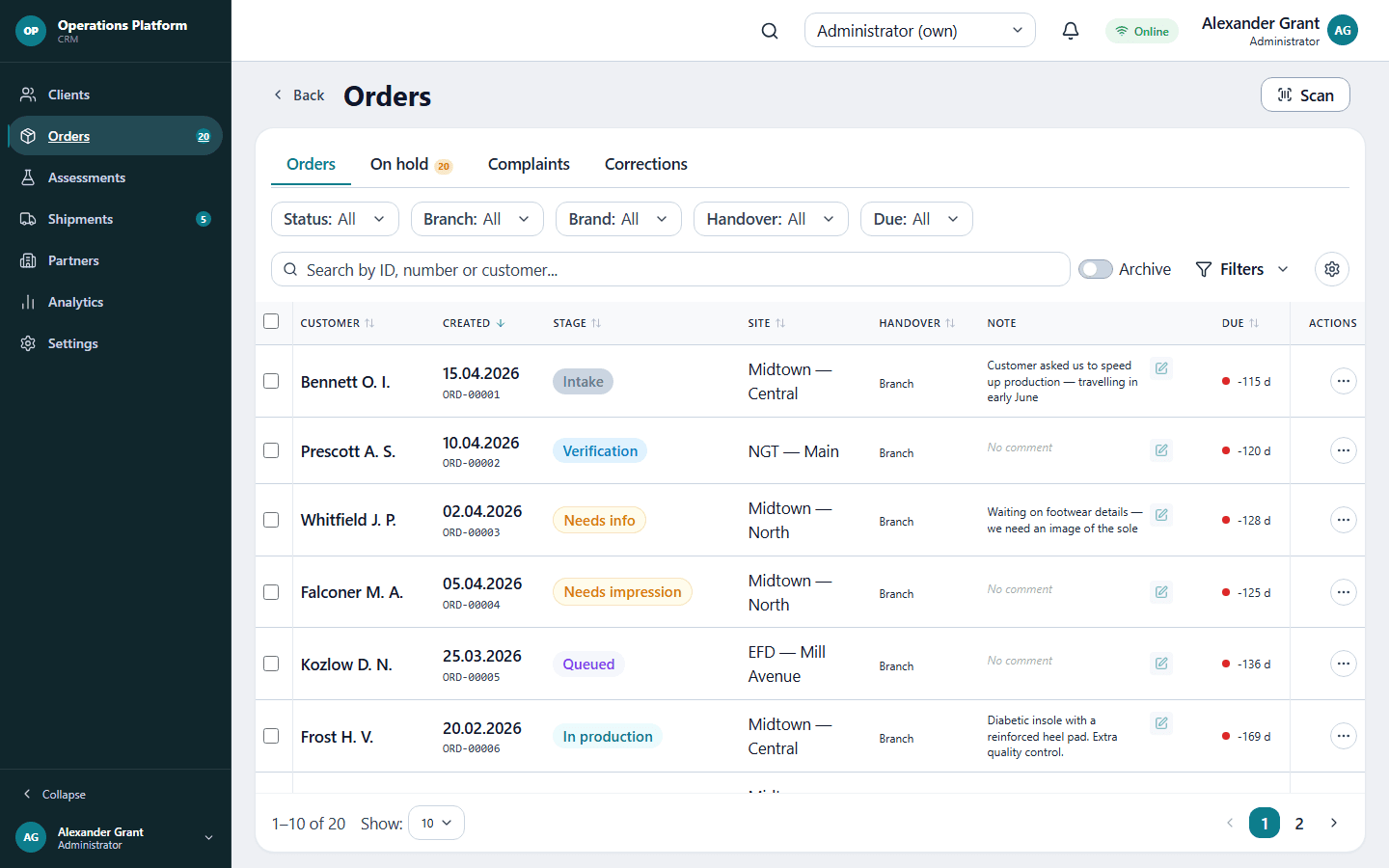
Isolation is decided in the data, not in the screens

Hiding another customer’s records in the interface is not isolation; leaving them out of the query is. Every path that returns data gets a test asking for someone else’s record and expecting a refusal — our marketplace has exactly that test, answered with a 403. SaaS application development is mostly this discipline, repeated on every screen.

Access decided by four dimensions at once
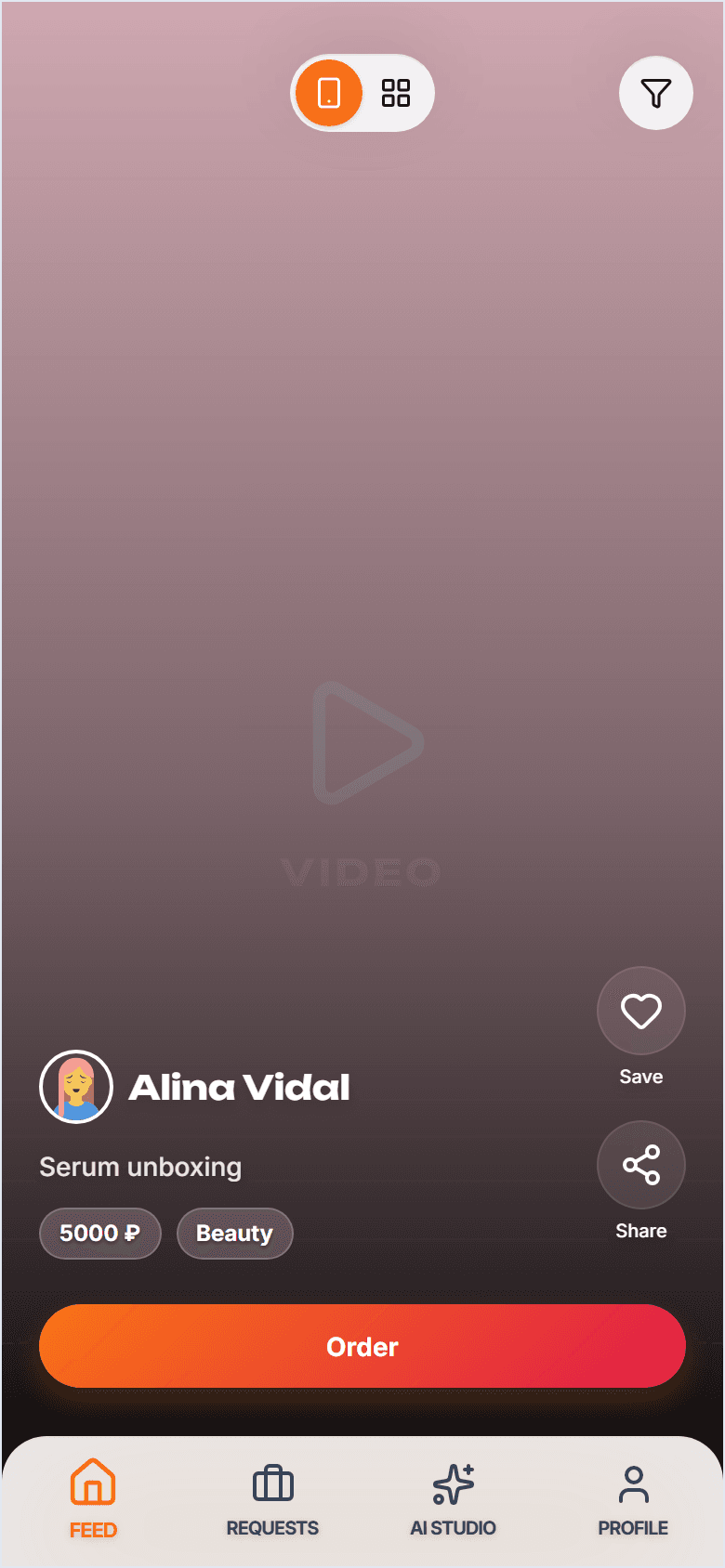
The payment provider is the source of truth

The browser may close before the payment page reports back. So an account changes plan when the provider tells the server, not when a screen says success, and repeated or out-of-order events are normal traffic. That is the rule we build billing to, and its tests replay the repeated event as well as the first.

How we build the money paths of a marketplace

If you charge by use, it is a ledger, not a counter

Our marketplace meters its AI studio in credits. Each generation is debited inside one database transaction, with the balance condition in the update itself, so two clicks cannot spend one credit twice; every movement is a typed ledger row, and a failed generation refunds with its own entry.

The AI studio billed by the generation

The app is the next stage, not a second supplier

When customers open the product several times a week, an app earns its place. Mobile apps are our specialisation: the same team builds it on the same accounts and billing, for both stores, quoted separately.

Mobile app development: one journey, both stores, eight weeks

And what we do not do

  • We do not open with a paid phase that ends in a document. Week one produces a running skeleton; a spec and prototype are an optional stage of their own, credited against the project.
  • We do not sell a boilerplate licence or a platform of ours to rent forever.
How it runs

Ten weeks, and an address you can open from the first one

Every week ends in something you can sign up to and click through, not in a document.

  1. Week 1

    The journey, the plans, the customer

    Who signs up and how they pay: per seat, per month or by use.

    You seeThe agreed scope and a staging address that answers.

  2. Weeks 2–3

    Sign-up and workspaces

    Accounts, invitations, roles and the workspace boundary, with its tests.

    You seeYou sign up as two customers, and neither can see the other.

  3. Weeks 4–6

    The journey customers pay for

    The core of the product, end to end.

    You seeThe journey works inside a workspace, failures included.

  4. Weeks 7–8

    Billing wired to the provider

    Plans, trial, upgrade, the failed renewal and the downgrade after it.

    You seeA test card upgrades a workspace; a declined one downgrades it.

  5. Weeks 9–10

    First customers, then handover

    Real users try to break it; then production moves to your accounts.

    You seeA live product, deployed once by your own developer.

  6. After

    Phase two, or the app

    Quoted from real usage. Often it is the mobile app.

    You seeA decision made on usage, not on opinion.

Runs with what you already use
  • Stripe
  • PayPal
  • Next.js
  • NestJS
  • PostgreSQL
  • Flutter
  • GitHub Actions
What you keep

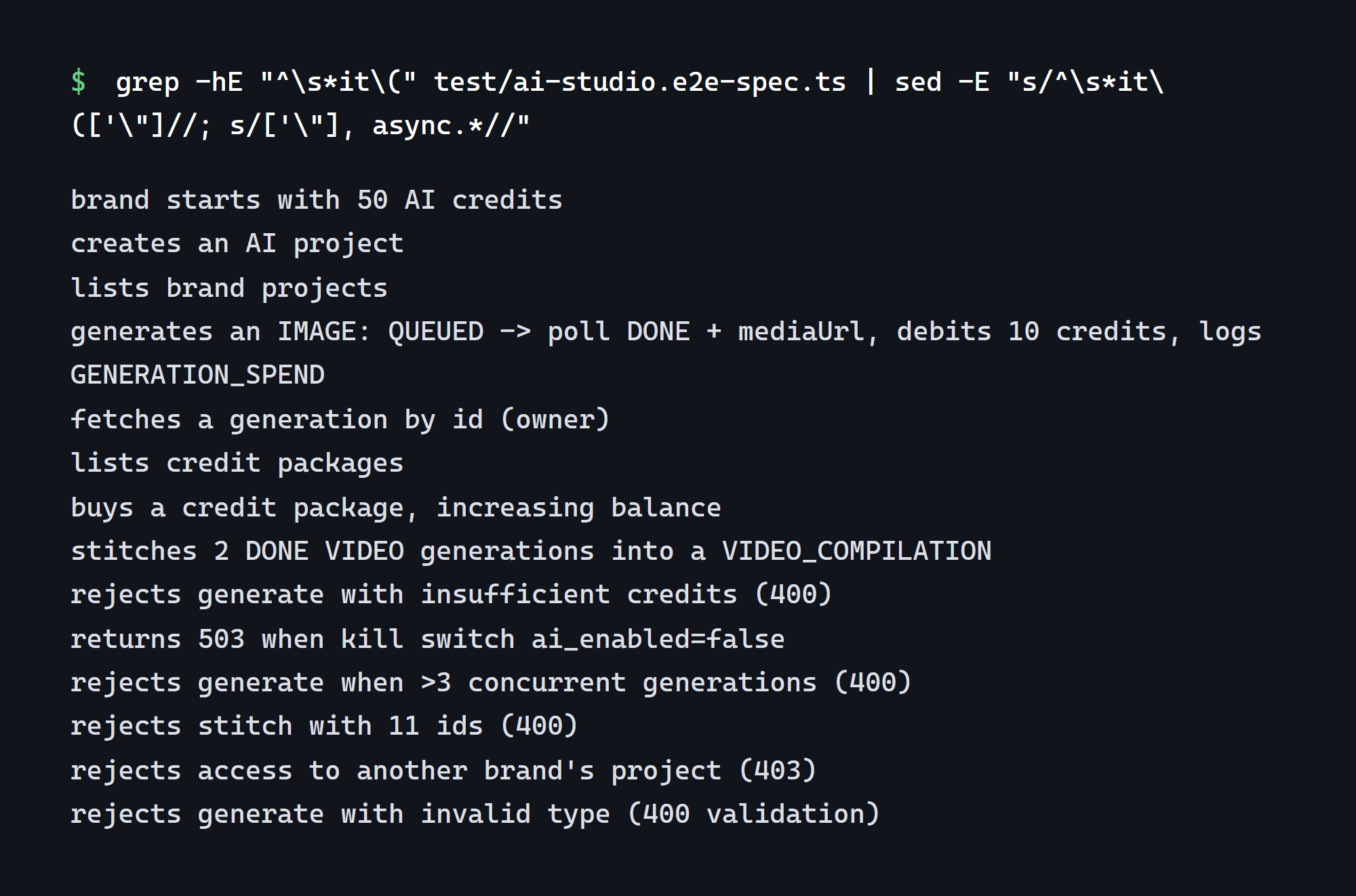
A metered feature with its rules written down as tests

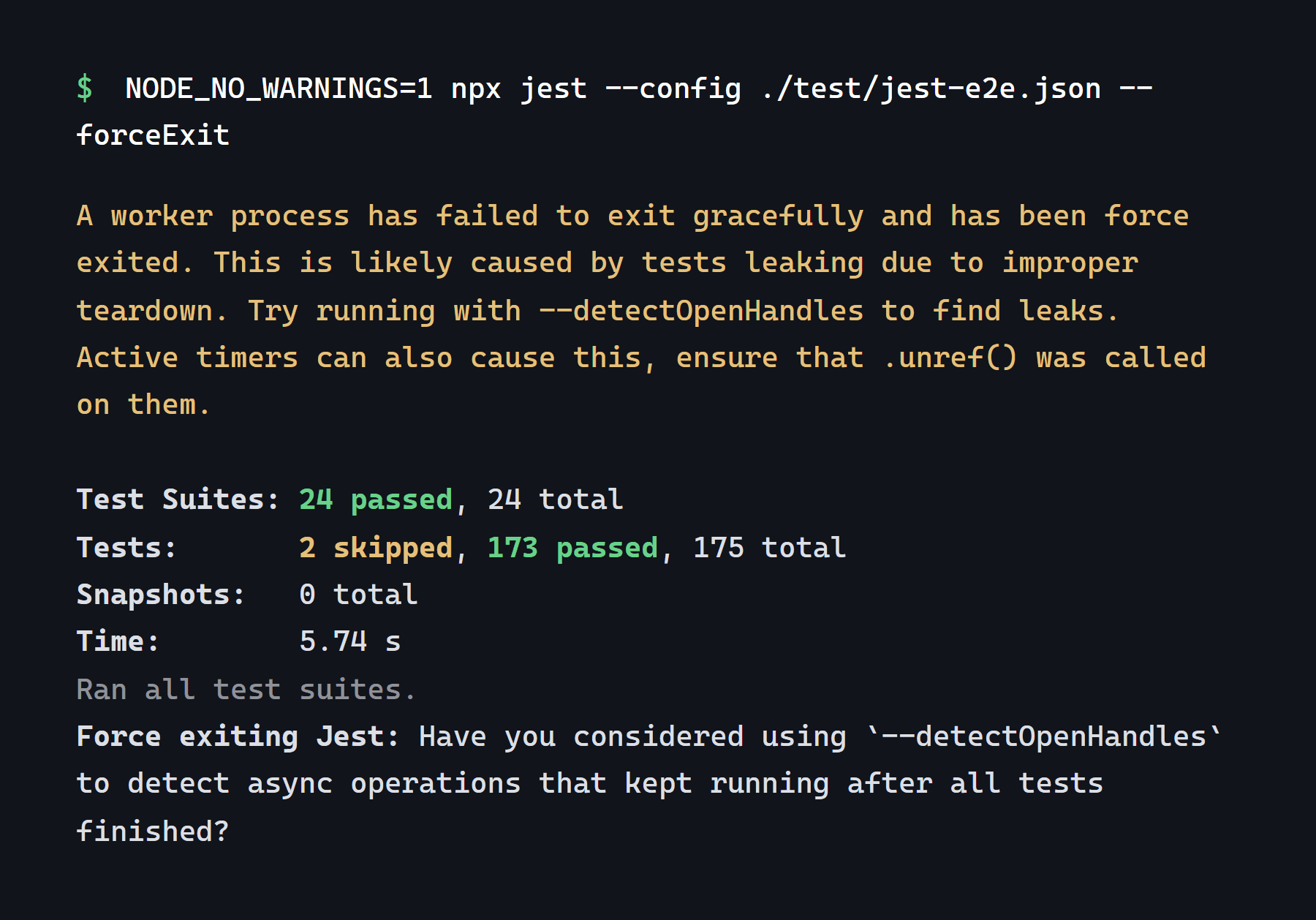
Both come from the repository of our own marketplace. Real output, not a mock-up.

Terminal listing of the fourteen end-to-end test names in the AI studio suite of our marketplace backend

The rules of a metered feature, named so a person can read them

Fourteen tests over the AI studio: a debit written to the ledger, a refusal when credits run out, another brand’s project answered with a 403.

Listed from test/ai-studio.e2e-spec.ts in ugc.backend, 8 October 2026.

Terminal output of the end-to-end run: 24 suites passed, 173 tests passed, 2 skipped

And the whole suite, run

Twenty-four suites, 173 passed, two skipped, warnings left in.

jest over test/*.e2e-spec.ts in ugc.backend, 21 August 2026

Be honest with yourself

A SaaS build is worth it for some founders and early for others

Build this if

  • You sell, or will sell, one product to many customers, by subscription or by use
  • The idea has met real people: a waitlist, a pilot customer
  • You can name the one journey customers would pay for
  • You want to own the code, the accounts and the billing, not rent them

Do not build this if

  • The software is only for your own company — that is web development
  • Nobody has tried the idea yet; ten conversations are cheaper than ten weeks
  • You need single sign-on and enterprise paperwork before the first sale
  • You need it in four weeks — ten is what an honest first version takes

A SaaS development agency that says yes to everything is guessing; if the honest answer is no, you hear it on the first call.

Questions we get as a SaaS development company

Short answers. The long ones happen on the call.

A first version starts at $20,000 for ten weeks, paid by stage, and no stage grows unless the scope changes — a change is quoted before the work starts. Automated tests are part of that price. Want the scope pinned down first? The spec-and-prototype stage is priced on its own, and its fee comes off the project.

Both: the smallest version real customers can sign up to and pay for. An MVP that cannot take money is a demo, so it is small in features and complete where money and data live.

Ten weeks to a first version paying customers use; four to eight months for a full product — our marketplace took four. Send a page about the project and a basic estimate comes back within 12 hours: a range, the scope it covers and the list of things we assumed.

Whose name the repository, the servers and the payment account are in. Whether tests are in the price. What you keep if you stop after stage two. Our answers: yours, yes, and everything built so far.

Usually as the next stage: the web product shows first what customers actually do. Then the app comes from us too — mobile apps are our specialisation — on the same accounts and billing state, quoted separately.

You do, from the first commit. Every stage closes with an interim acceptance, so you can stop after any of them. Defects found in the first six months after handover we fix at our cost; after that, support is a monthly arrangement.

Worth reading before you build a product to sell

All articles →
Web development

Who owns the code you paid for

Most clients assume paying for a build means owning it. Usually true of the code, and often false of everything the code needs in order to run.

2 min read

Talk to us about SaaS development

Tell us what you are building

A person reads it and sends an estimate within 12 hours: a price range, what the first version contains, and what moves the price.